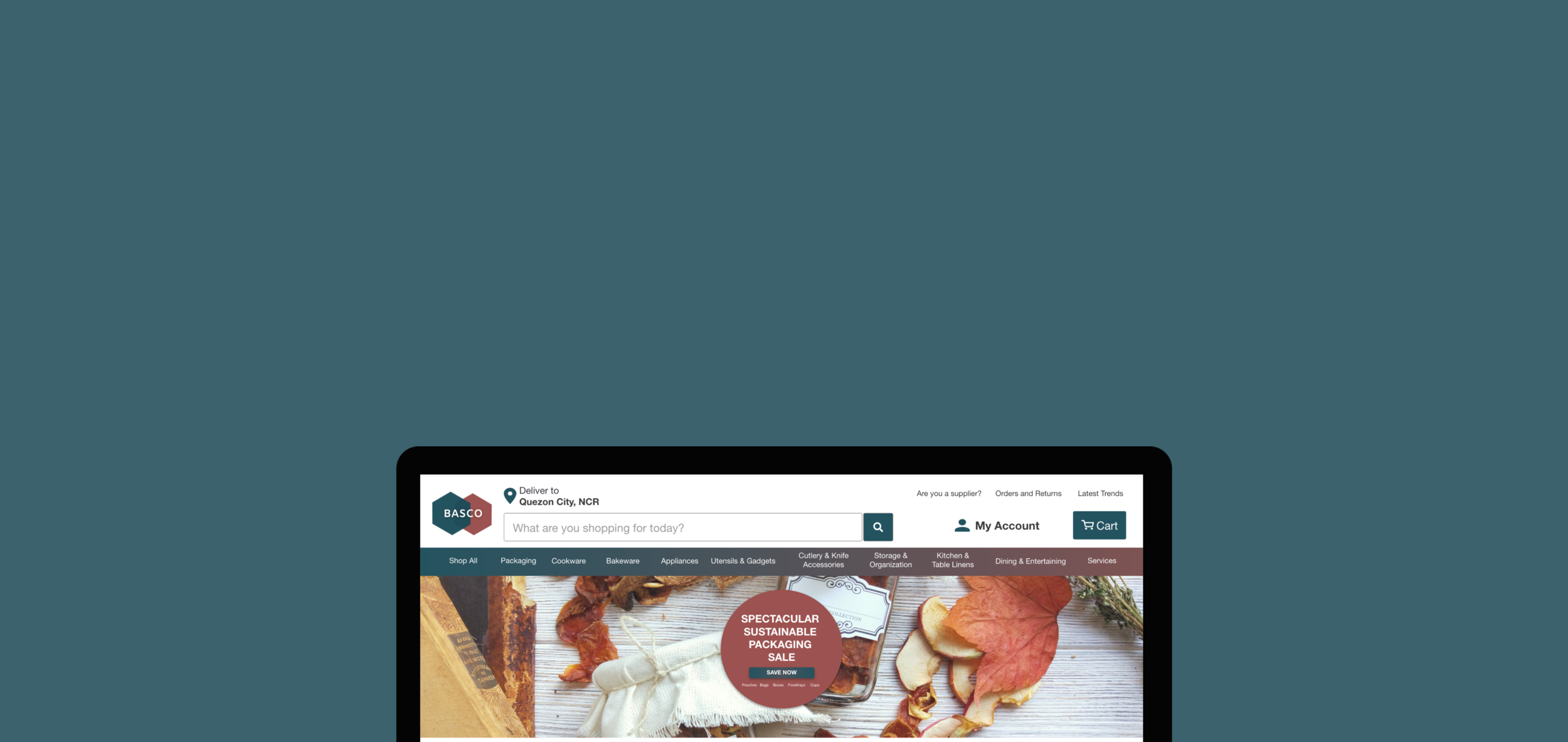
Basco
An efficient one-stop shop that provides resources, supplies and services for small food businesses
OVERVIEW
Filipinos are born with resilience in their veins. They are ever more energized to survive this pandemic despite the reports of companies closing down and implemented layoffs. Now, most of them hustle to showcase their food businesses where they cannot afford to fail.
The goal of this project is to get my hands dirty in solving current real world problems (starting with my home country) using the ‘Design Thinking’ process.
More specifically, it aims to provide a solution to a highly resource consuming process of finding the best supplies for small food businesses in the Philippines, so that owners and managers may spend their very limited resources such as time and energy on the other important aspects of their businesses.
ROLE & DURATION
Product Designer | 8 weeks
User Research
Product Thinking
Information Architecture
Interaction & Visual design
Wireframing
Prototyping
Usability Testing
The Problem
Nowadays, small food businesses has become the main source of livelihood in every household in the Philippines. Like many other small businesses, they struggle to find local equipment and service supplies easily.
Unlike big company-owned food businesses they either have their own purchasing departments or have already established an industry network, connecting them to sources that best suit their needs. Also, these giants are usually not challenged by the minimum bulk orders set by the suppliers.
Qualitative Interviews
Being immersed myself in a small business in the past, I have identified a few gaps where businesses do not meet their ideal suppliers. I interviewed family friends of age groups between 18-49 years, with diverse backgrounds and different types of small businesses to understand more on how their current supplier search processes look like.

Jane Santos, 35 years old Business Owner for 3 years
“I am a mom of 2 and quit my corporate job to operate my snack/merienda business fully at home. However, despite being in the industry for some time I still find it challenging to find local suppliers that are flexible enough to meet my specific business needs plus I don’t feel efficient when dealing with it. I’m just glad I have friends in the same industry who make some recommendations.”

Bea Reyes, 50 years old, Restaurant Manager for 20 years
“I am single and very hands on with my work. I feel a part of the business’ growth and success that’s why I make sure we are competitive and always evolving with the industry. With that comes a constant need for new supplies from different suppliers. I had an expectation that the internet will make it easier for me to do my job but with the saturation of random and untrustworthy products in e-commerce sites and social media’s marketplace, it does otherwise.”

Brian Go, 23 years old, Business Owner for 5 months
“I’m a fresh college graduate and started with my food business right after they have implemented a lockdown in Manila. I have not built enough connection yet to find the best equipment and service suppliers for my food business so I refer to some social media groups for recommendations. However, it is difficult to perform business transactions on social media sites because it feels unprofessional and untrackable. I end up hopping in between many different e-commerce sites which feels very frustrating and unproductive.”
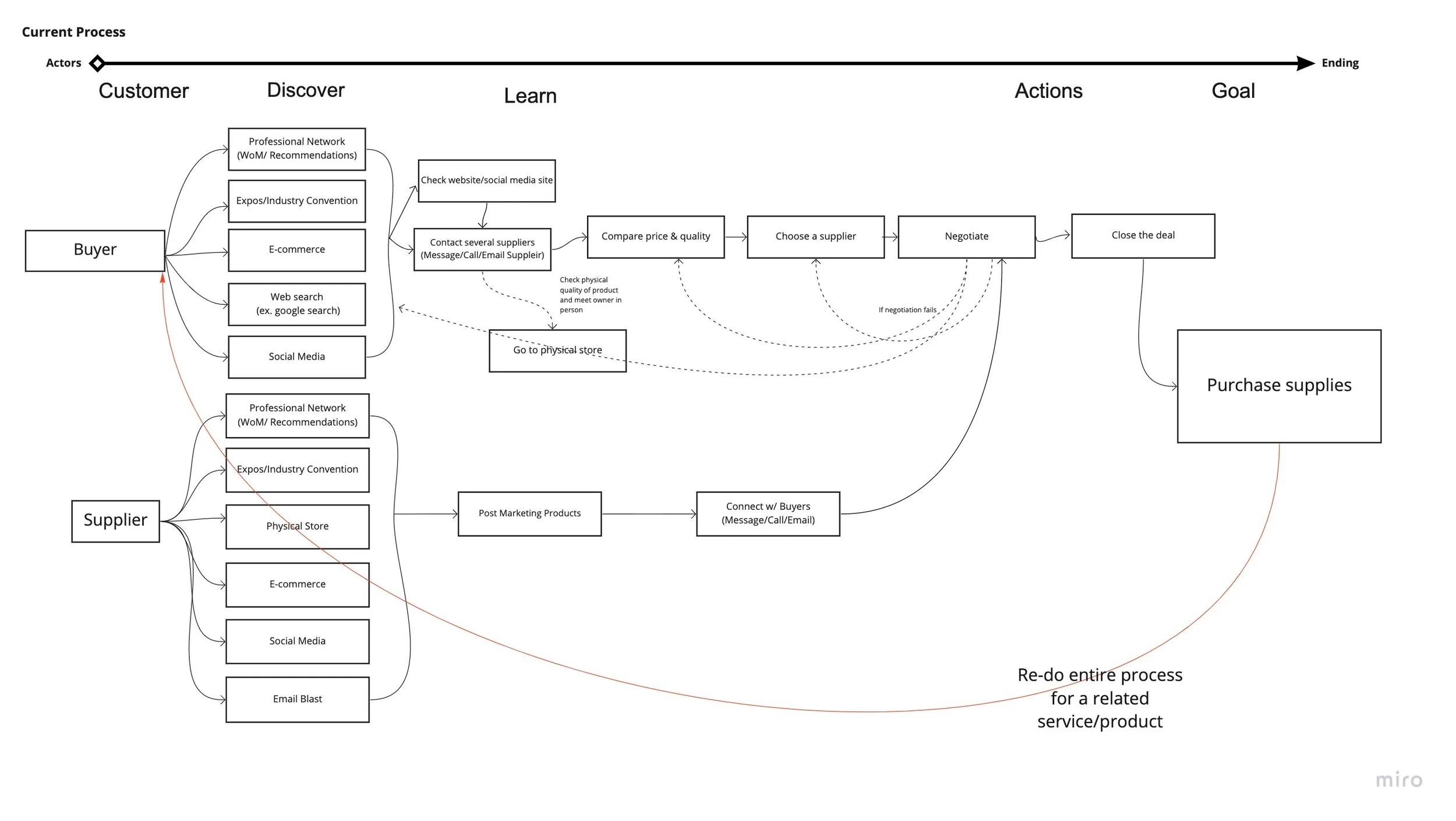
Current User Process
This is the current messy process that small food businesses go through almost every time they look for a supplier. It is as difficult as it looks to move forward and achieve one’s goals when they get stuck in an over-looping process that requires jumping around different ways and platforms.
Long Term Goal
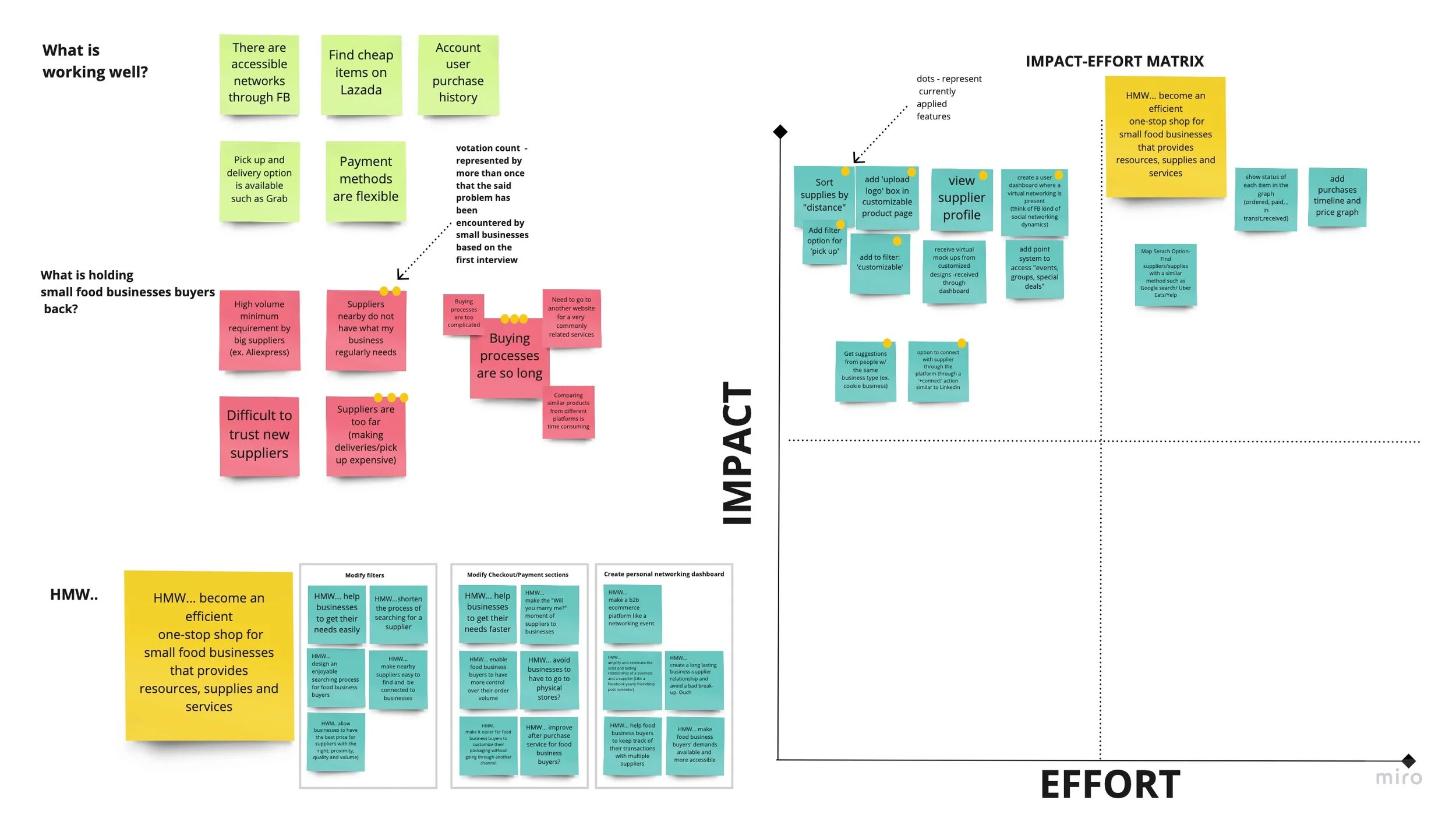
I first came up with the project’s vision and mission in order to come up with more adhesive and purpose-driven goals.
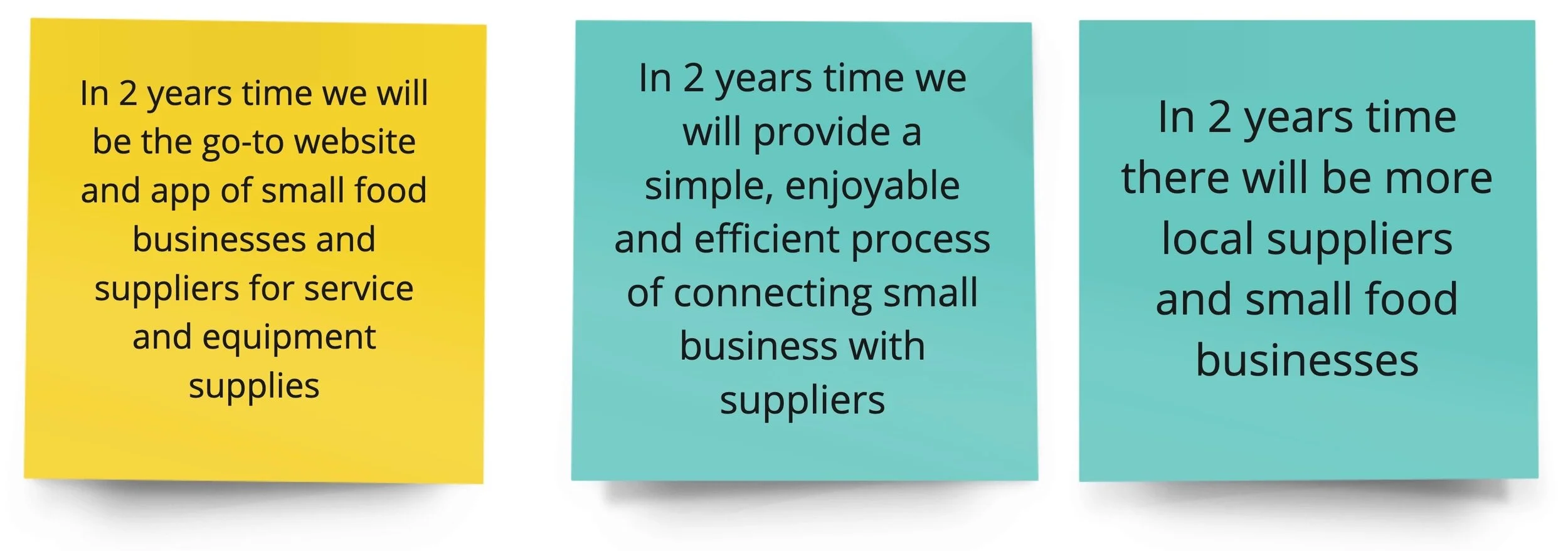
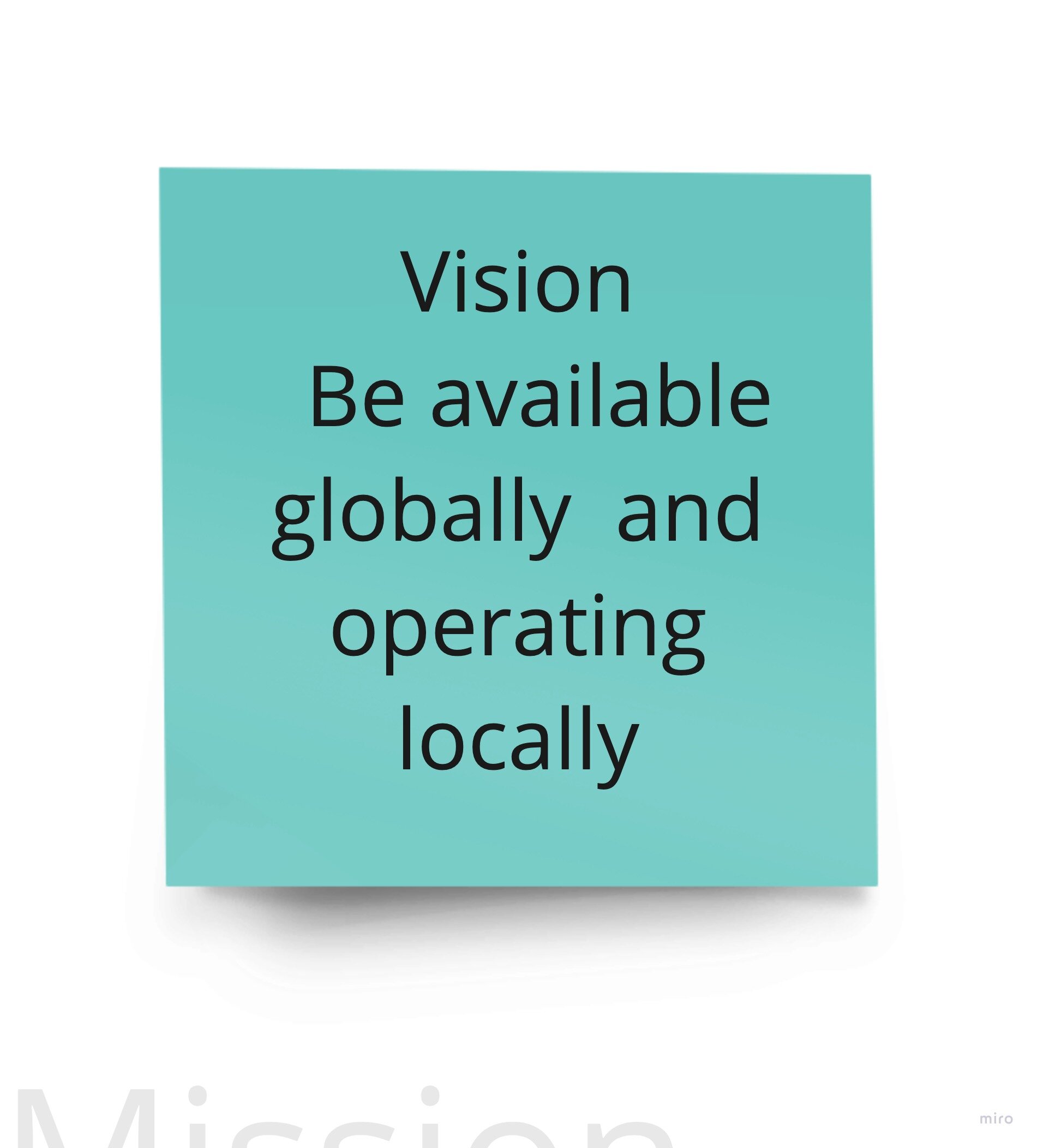
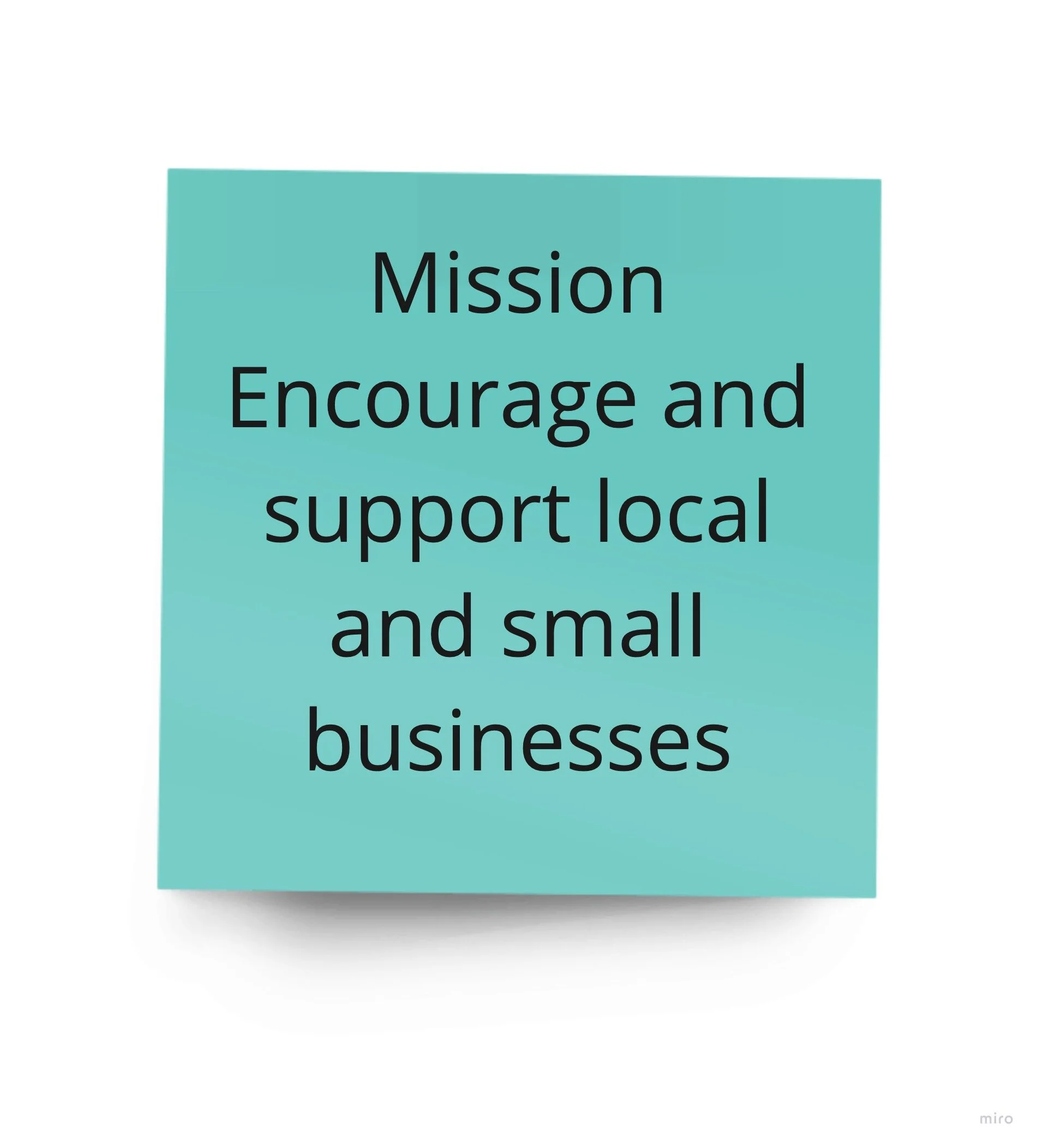
*The yellow post-it shows my top priority for this project although the rest of it were considered throughout the decision making process
Competitive Analysis
Familiarizing myself with similar well-established companies helped me understand a common pattern to their strategies that make them successful and also identify what could be holding them back. I used these information to make better design decisions.
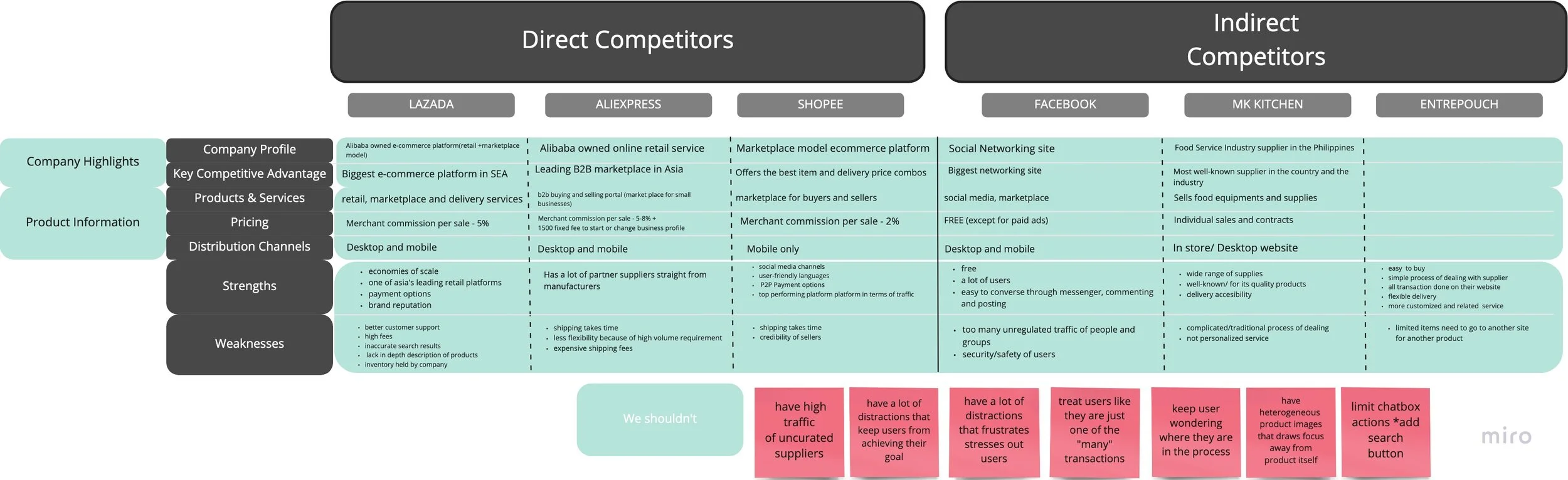
“Why?”
I asked these questions to understand the reasons or the pain points behind the users’ choice to turn to their most commonly used platforms and methods. The answers are based on the first interview I’ve conducted with small food business owners.
Ease for efficiency
Control for confidence
Competency for survival
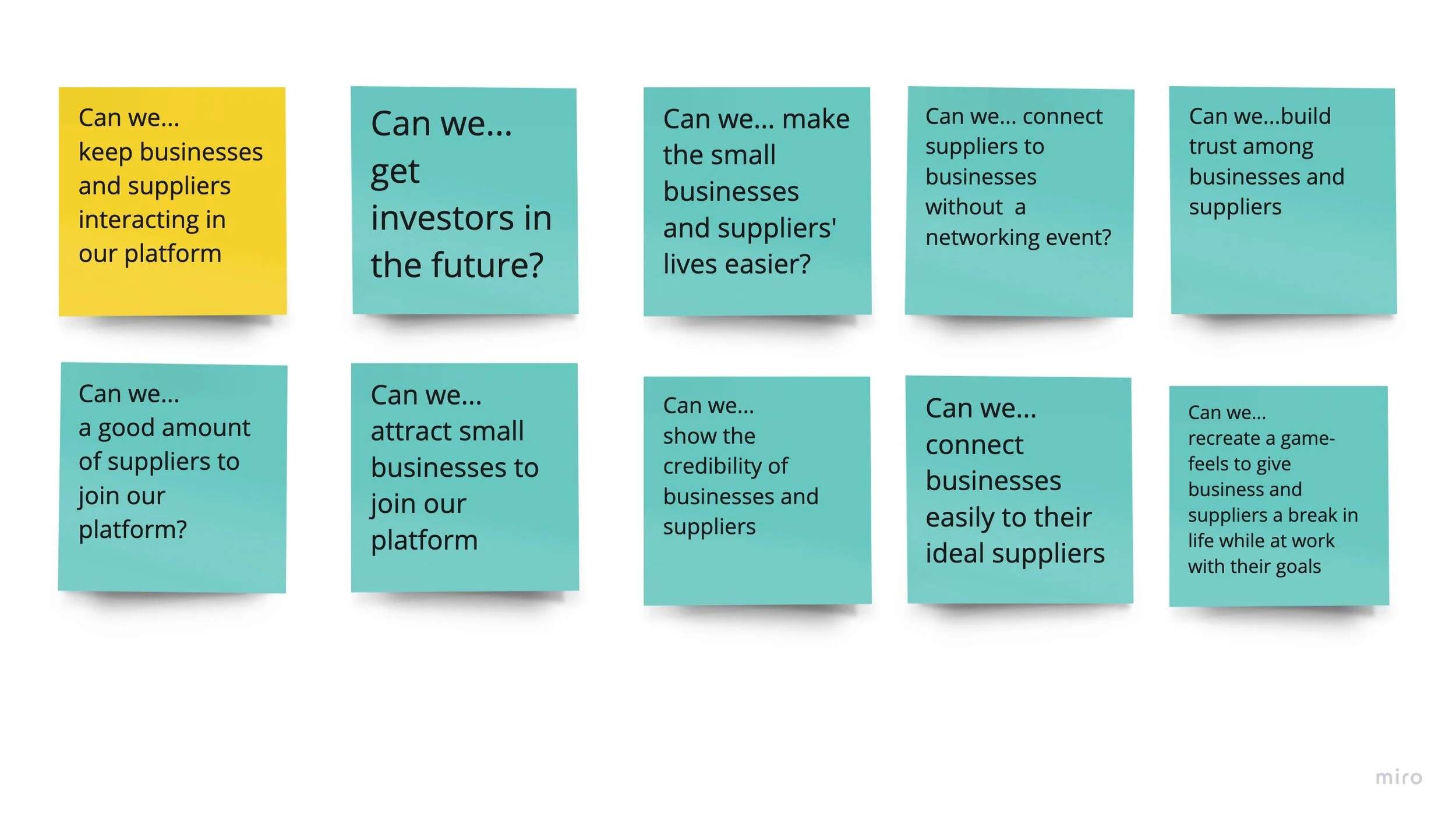
Sprint Questions
I asked the ‘Can we’ questions to challenge myself to anticipate the possible roadblocks along the way.
How Might We
I asked the ‘How Might We’ questions to exhaust as much creative ideas as solutions to the problem.
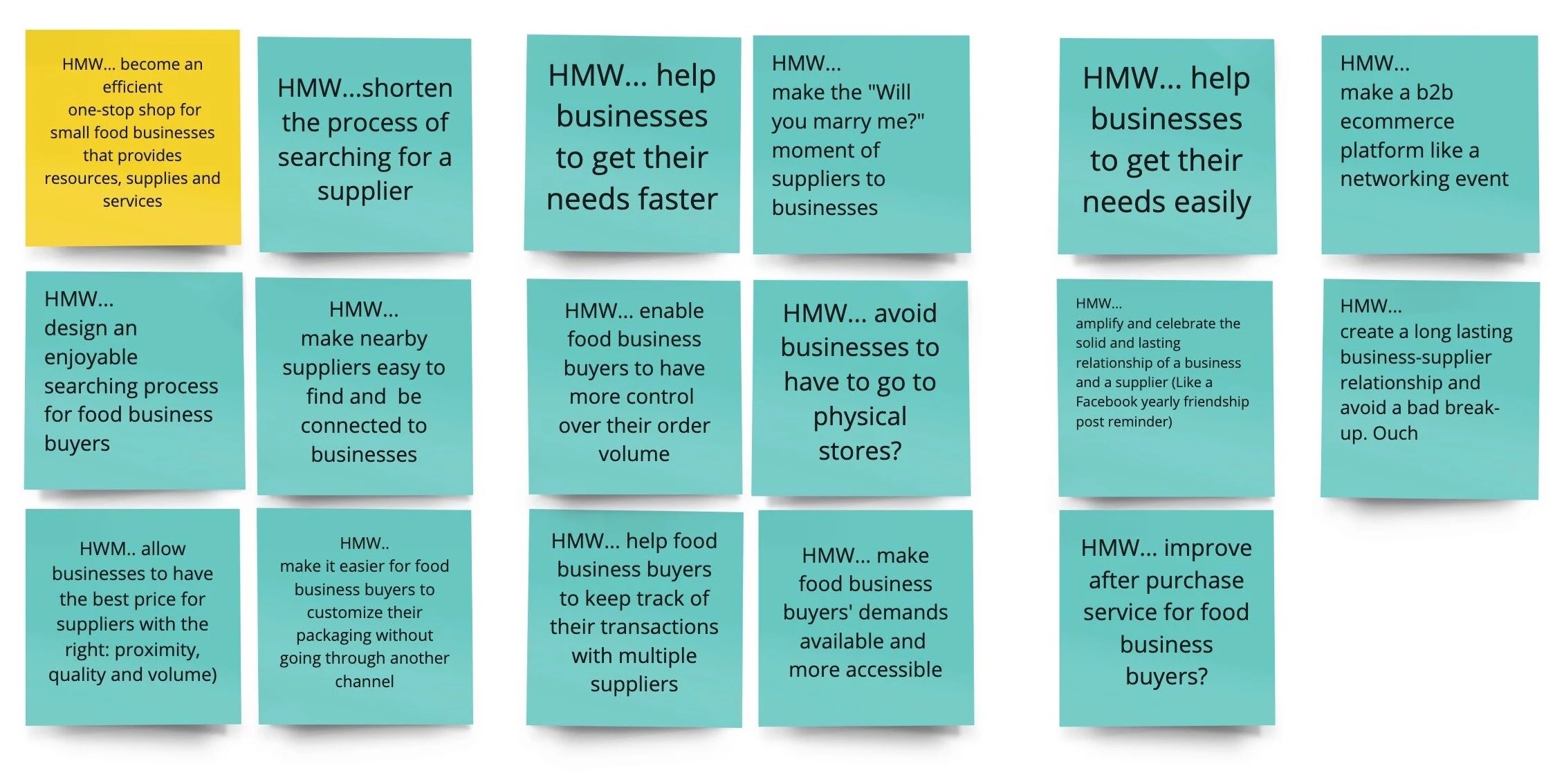
*The yellow post-it shows my top priority for this project although the rest of it were considered all throughout the decision making process
Customer Map Evolution
I have simplified the process that small businesses have to take in order make it faster and easier for them achieve their goals by using the HMW questions in modifying and creating important features for the website.
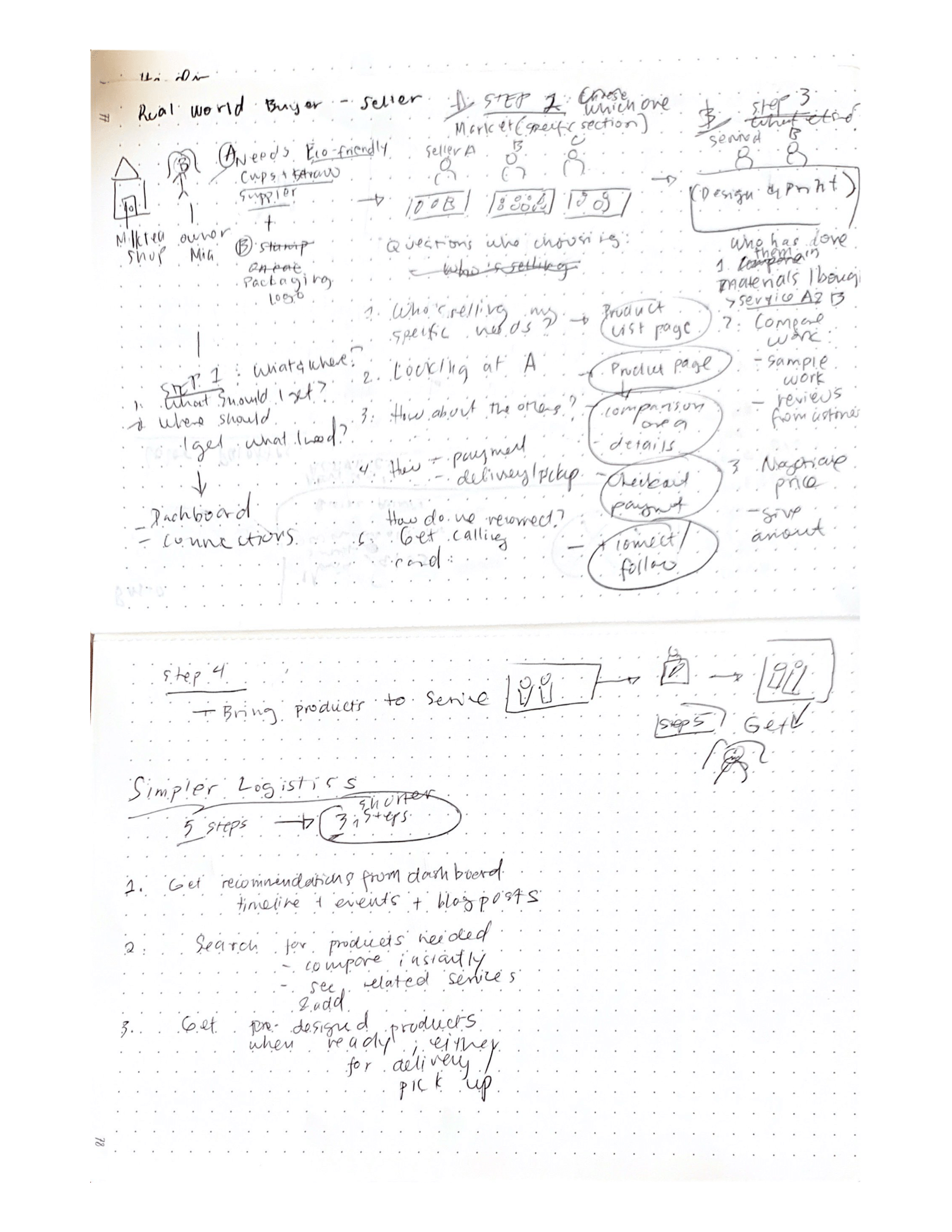
sketch of simplifying current customer's process
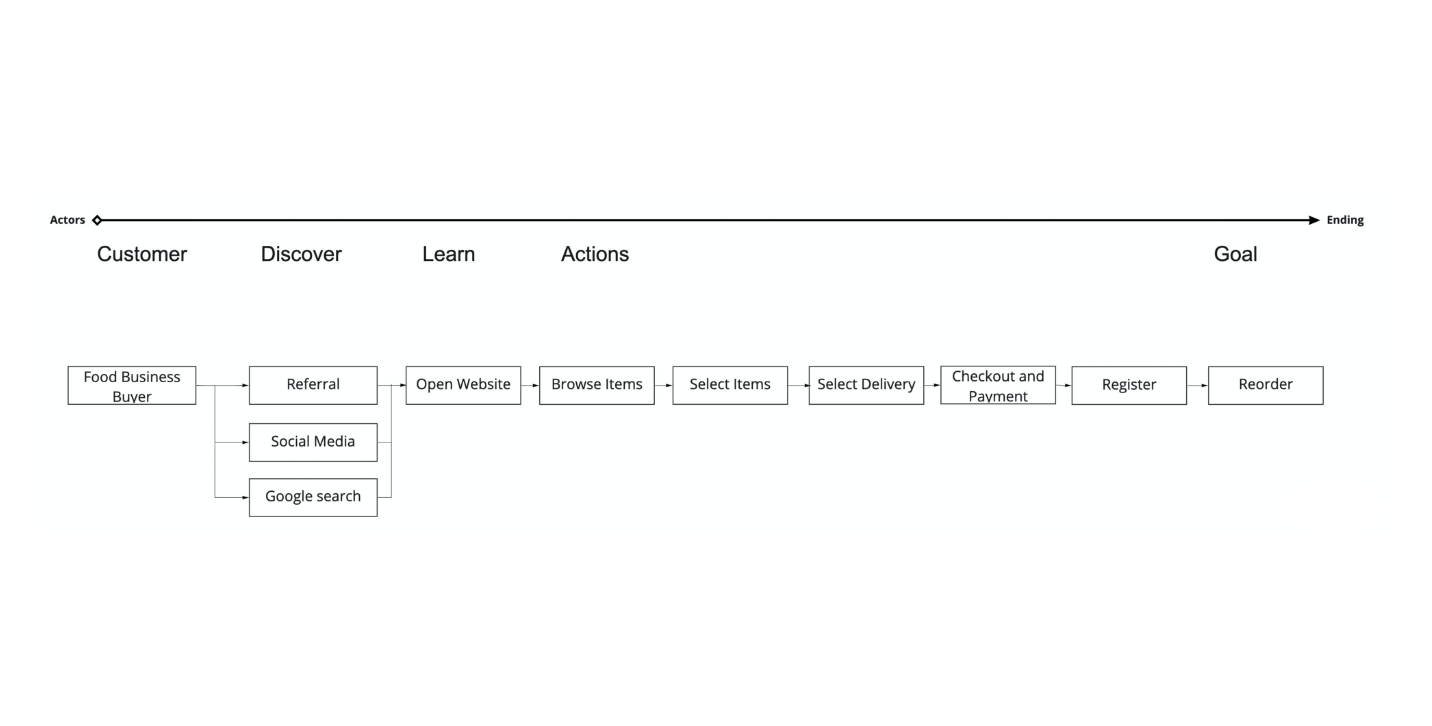
Typical E-Commerce Customer Map
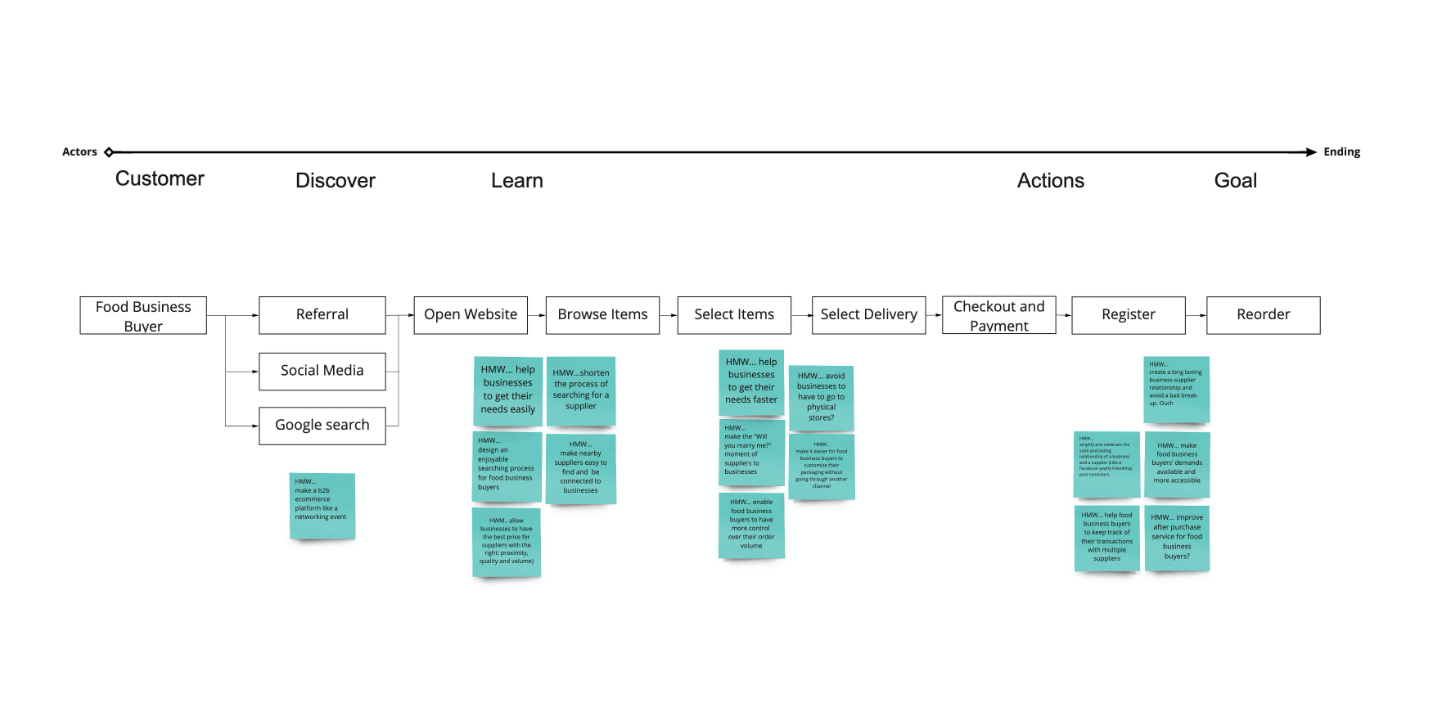
E-commerce Customer Map + HMWs
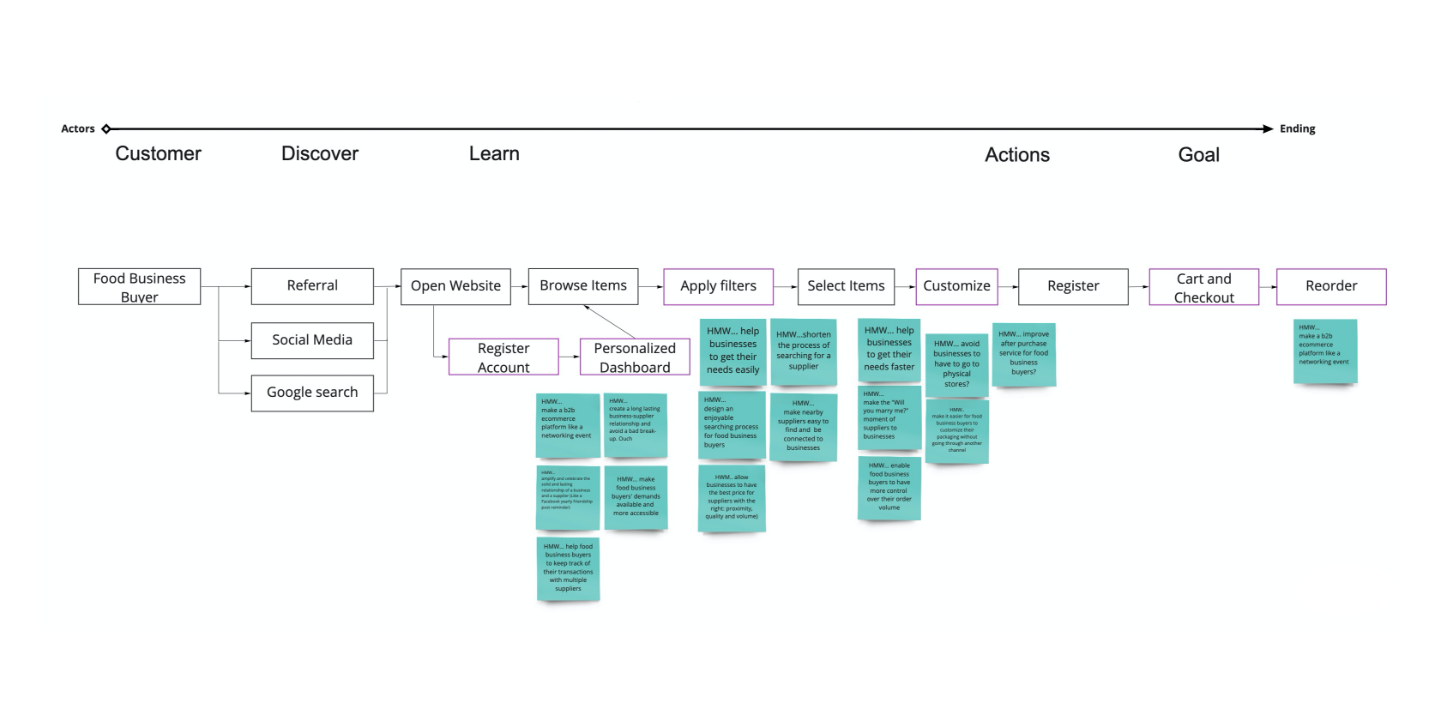
Modified E-commerce Customer Map
Minimum Viable Product
Defining the MVP helped me identify the specific features that I can prioritize to include in the e-commerce site.
Solution For Each Pain Points
#1: Ease for efficiency
To make it faster and easier for users to achieve their goals on the platform I:
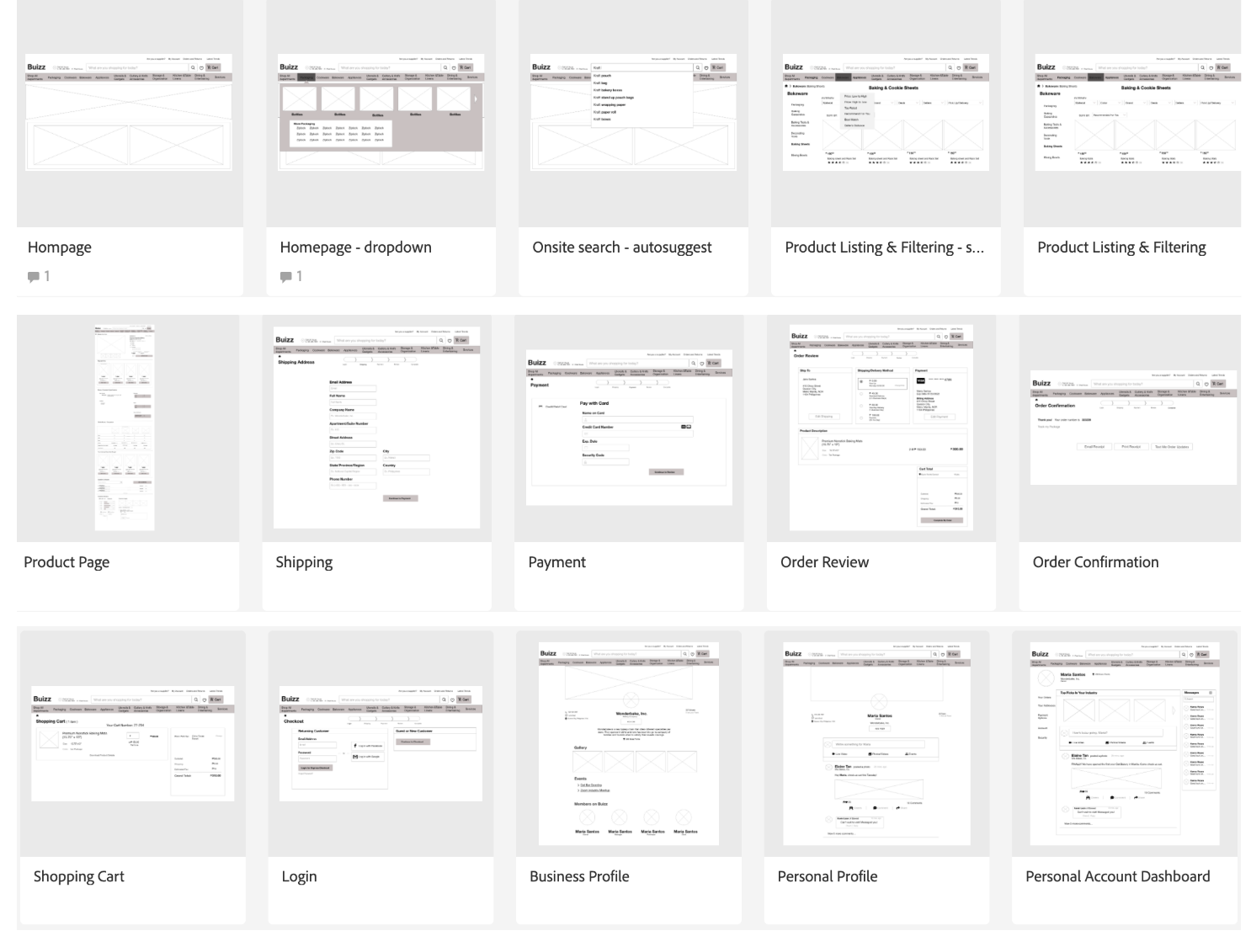
(a) sketched and drafted the wireframes that reflect the shortened steps to achieve business’ goals
(b) added a customization box for a quick and readily available service since this typically could take another whole new process to go through after buying a product
#2 Control for confidence
The goal is to enable users to gain control then confidence to having the products that best suit their needs. This could be achieved if they have the ability to find the best product in their control through: (a) search filters, (b) sort by, and (c) price and quality comparisons between suppliers and other platforms.
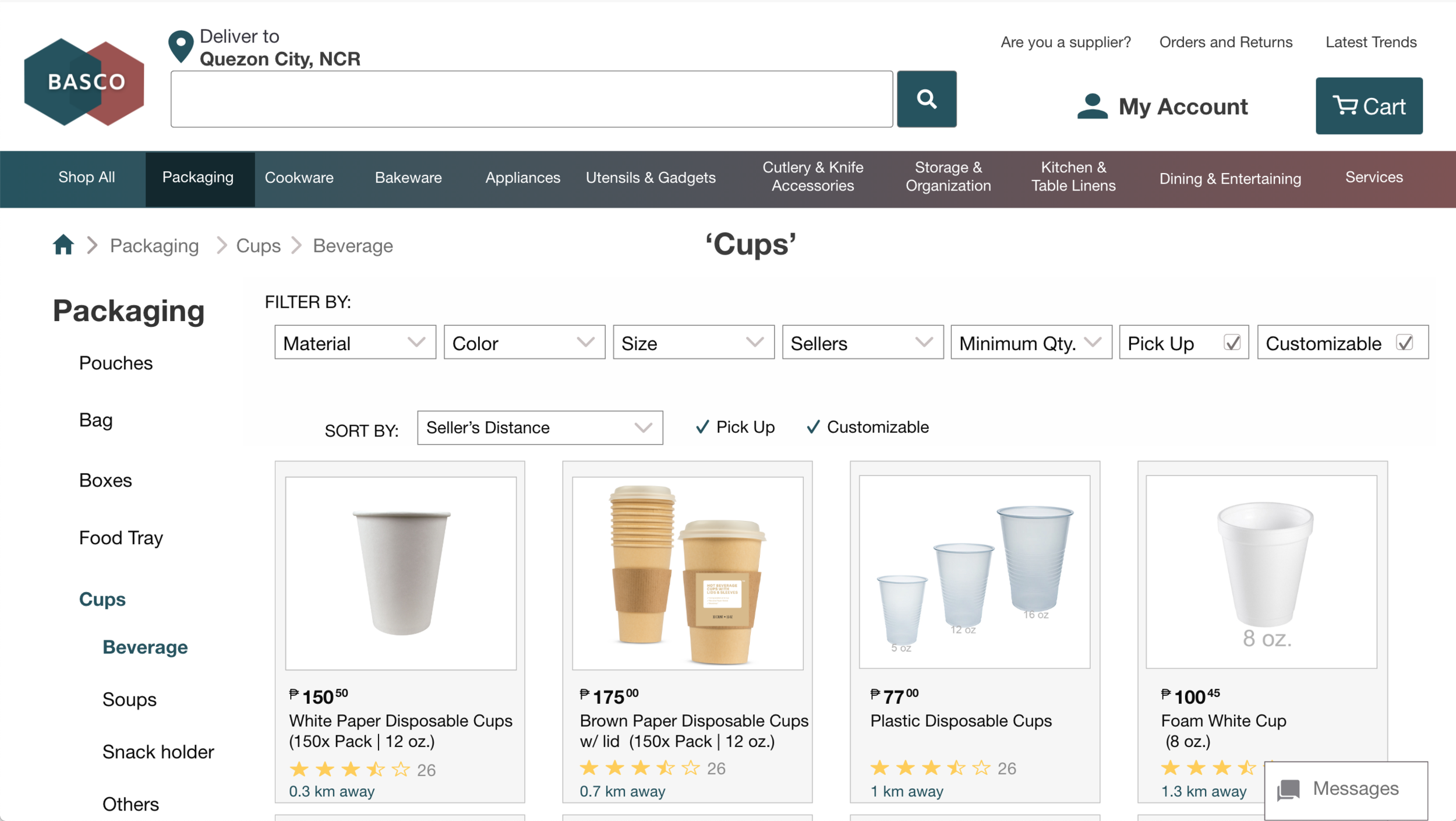
Filter and sort according to preference
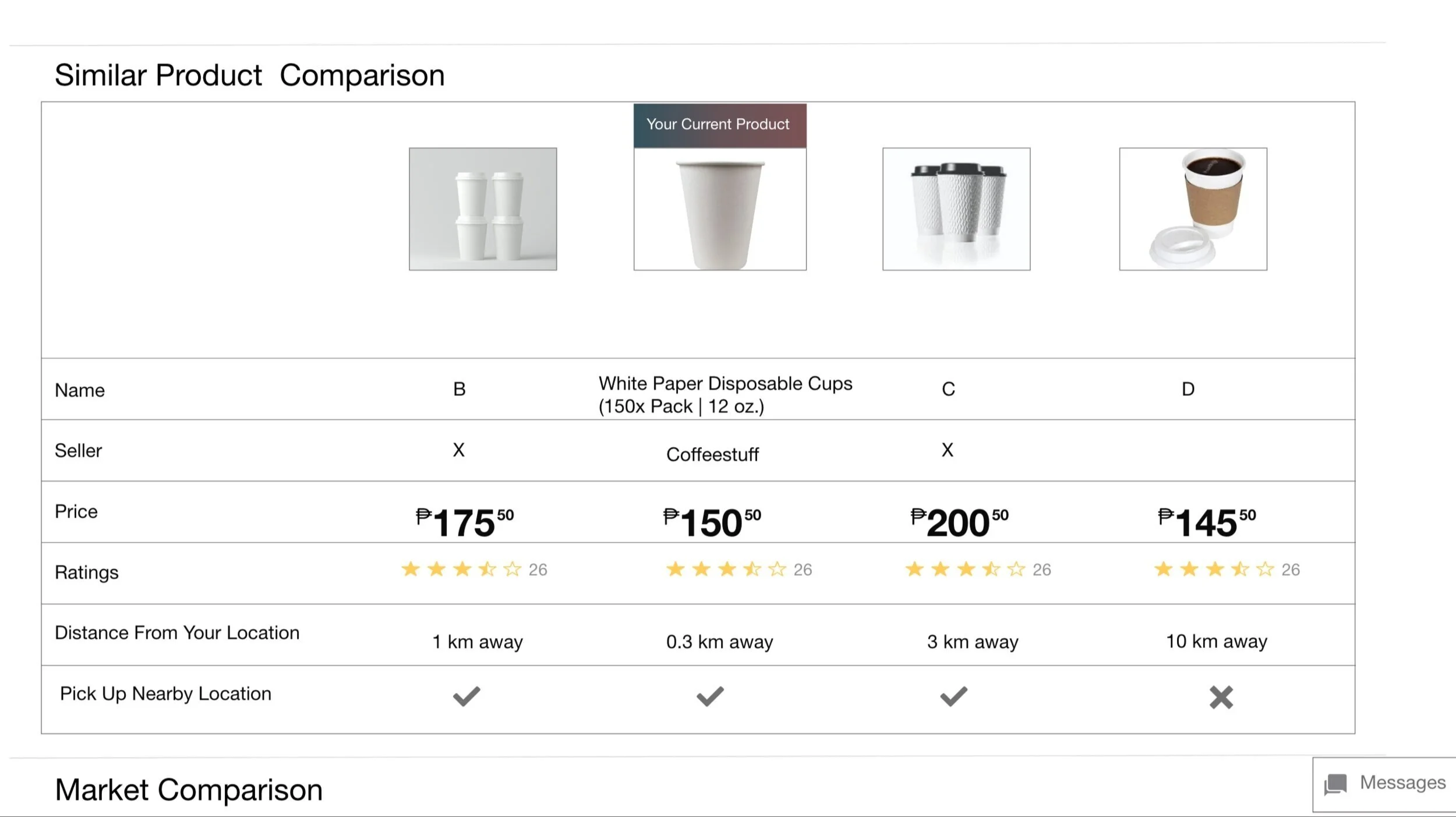
Compare similar products
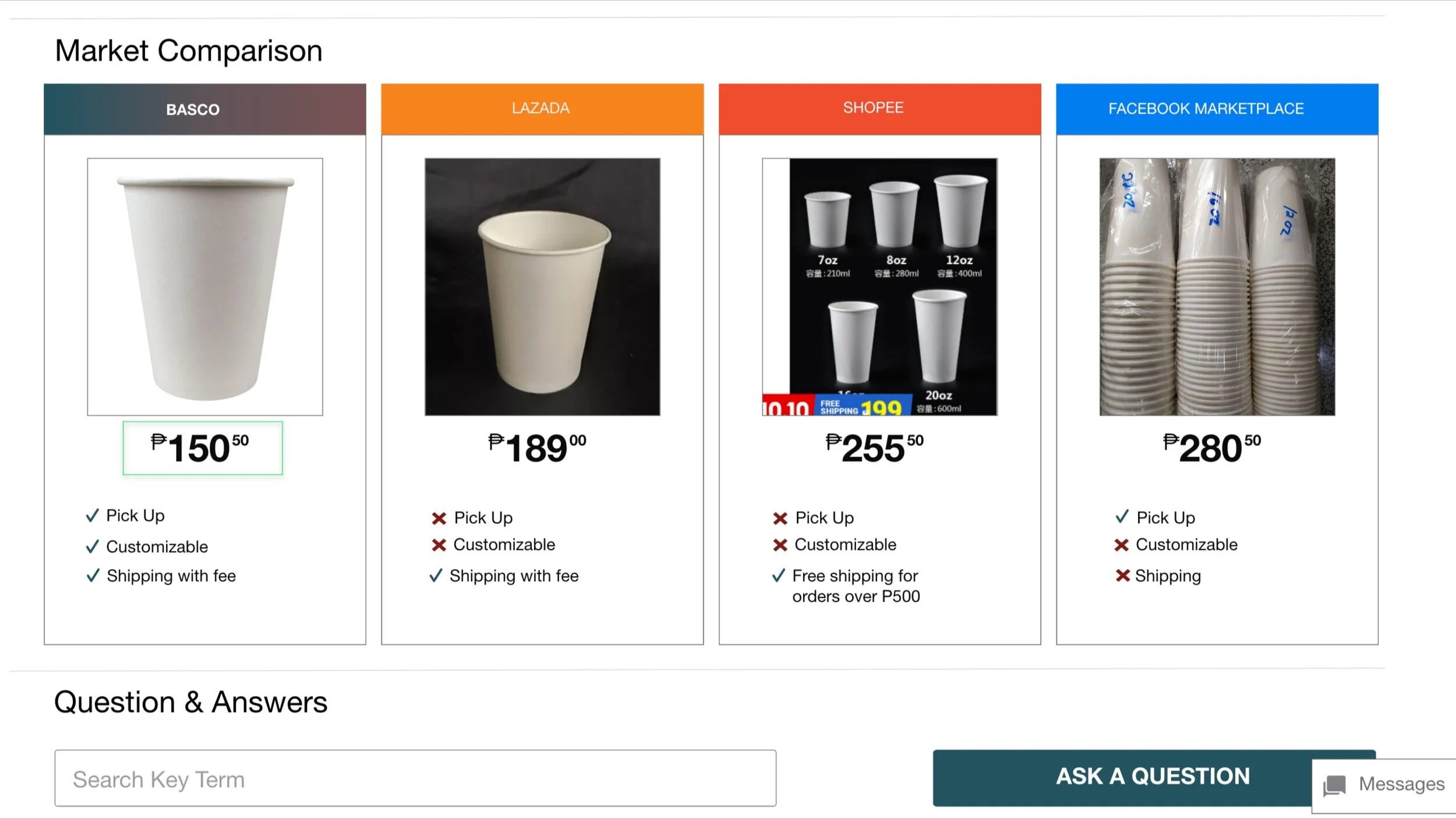
Compare prices with the other mostly used websites
#3 Competency for survival
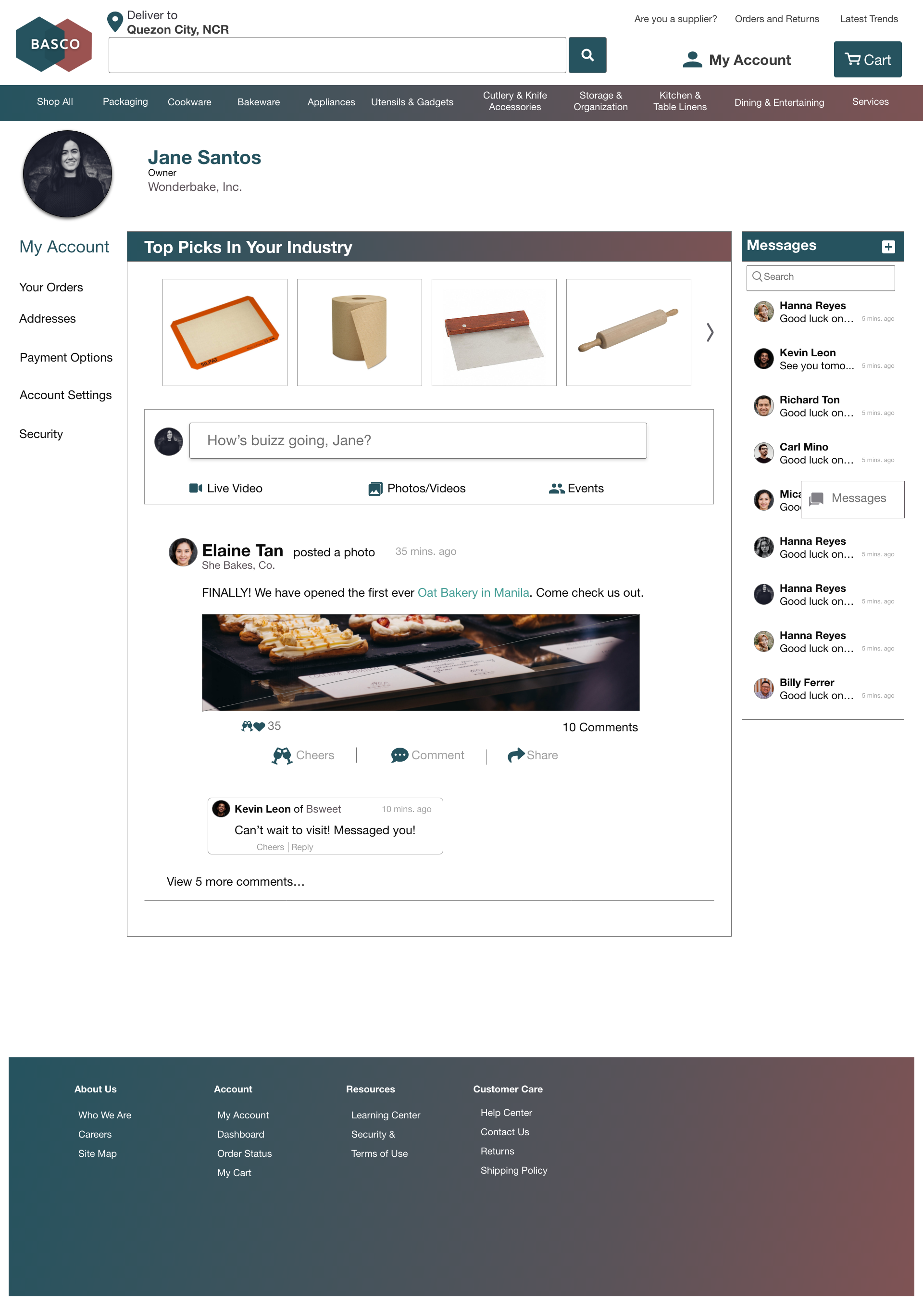
User’s Account Dashboard for easy management of purchases, communication with industry peers and see latest industry-specific and other food business trends
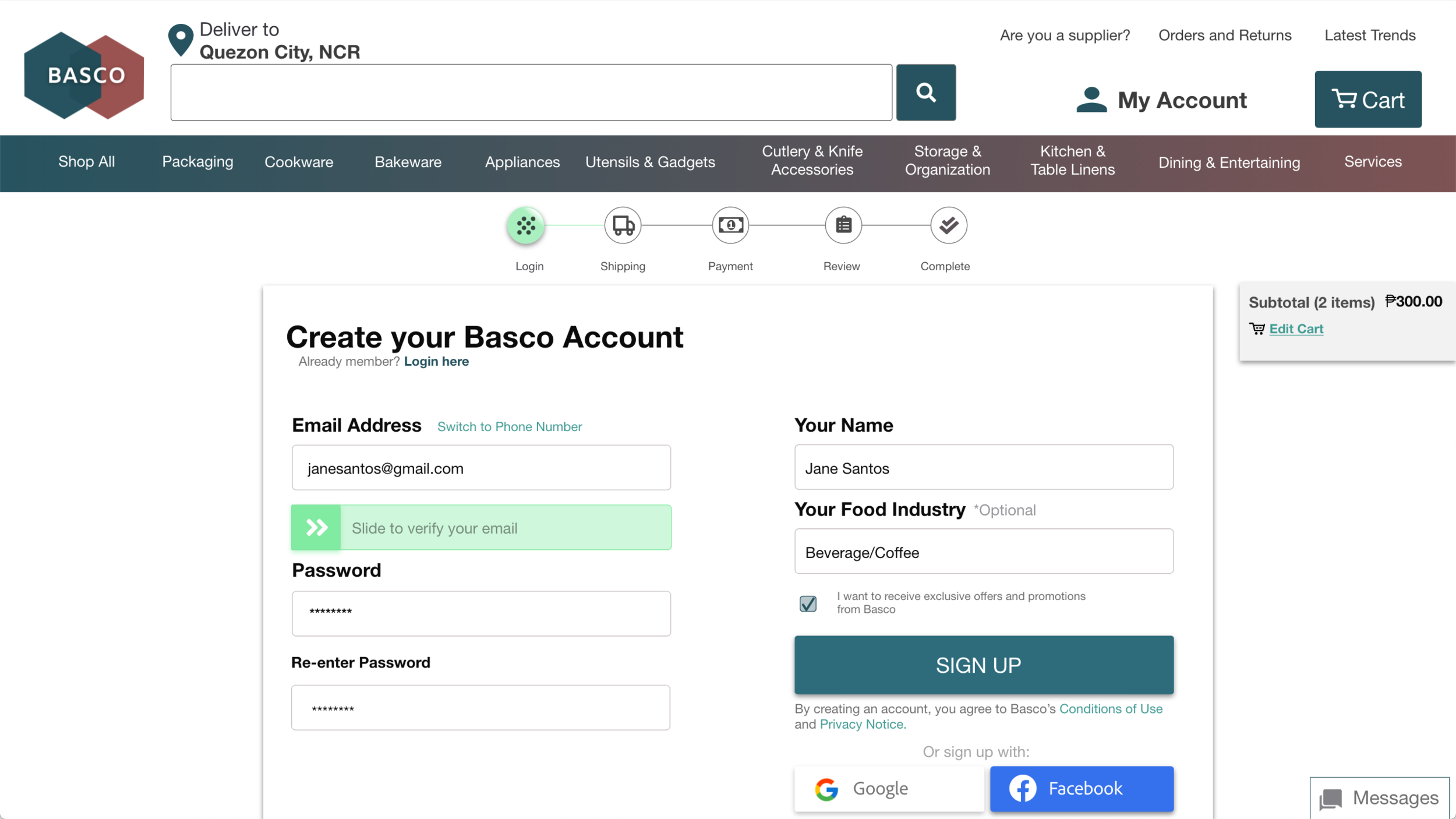
User’s ‘Food Industry’ is asked in the sign up process for personalized and competitive product and service recommendations
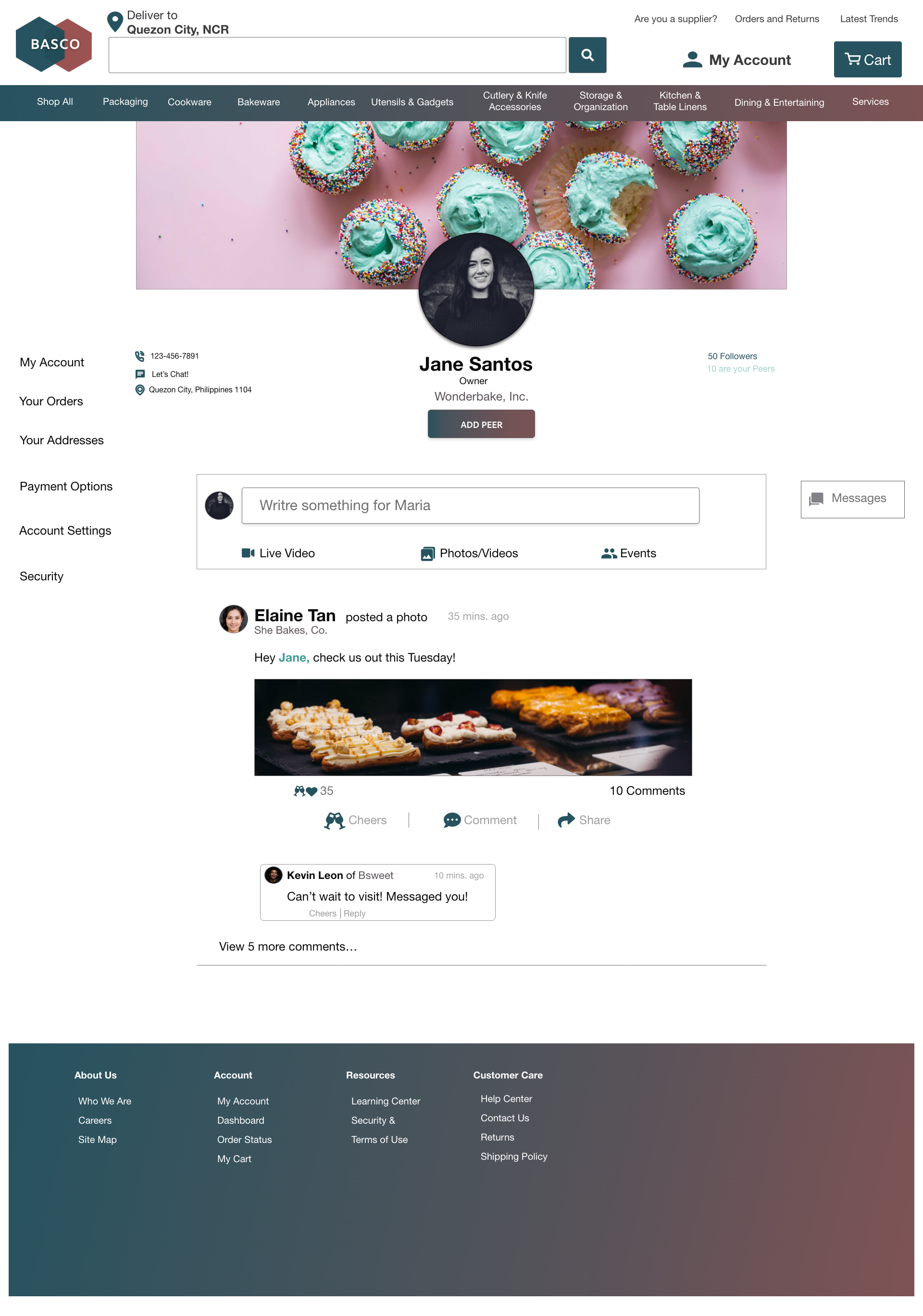
User’s profile
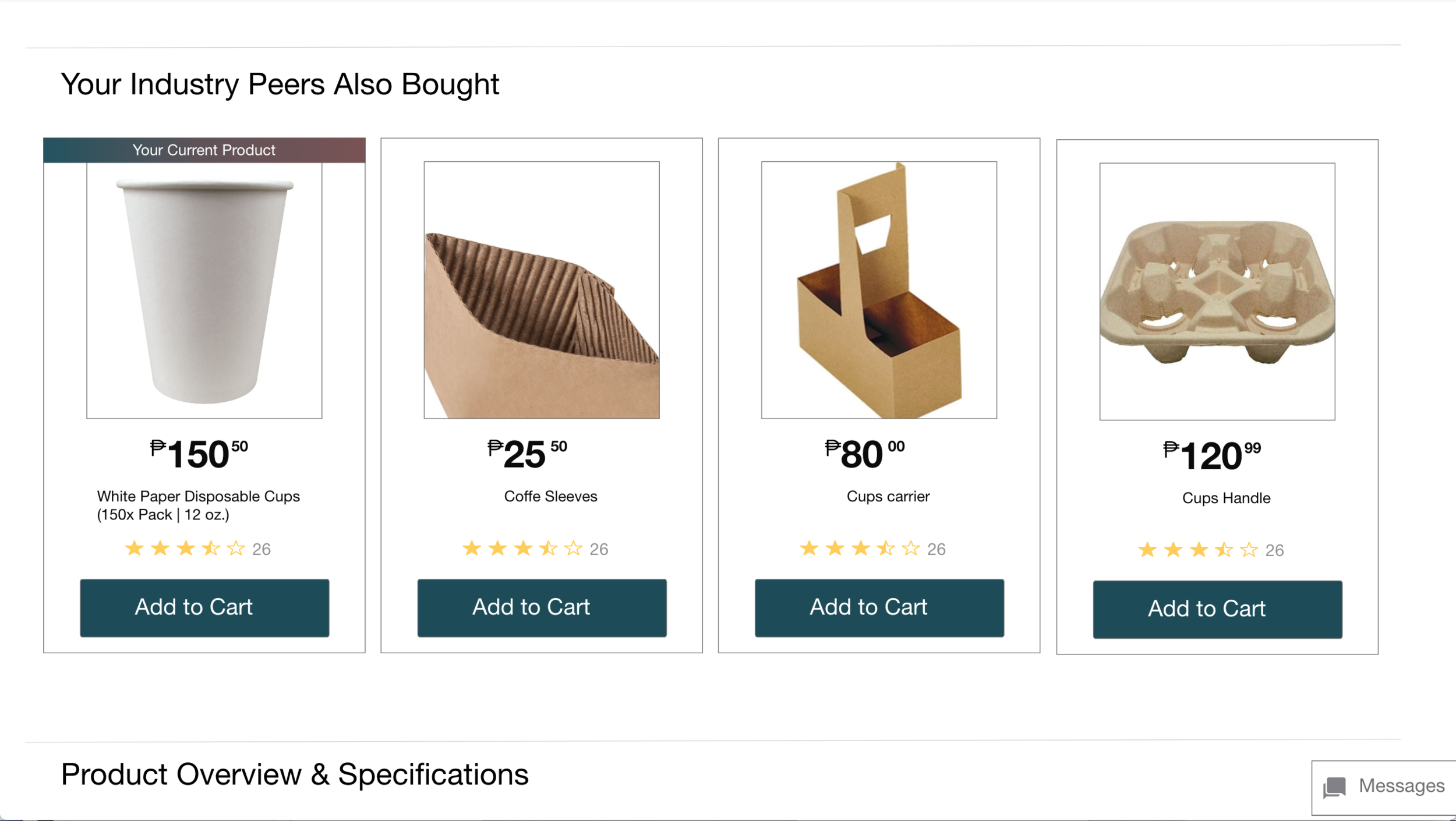
Recommended items according to the user’s peers who are in the same industry
The Prototype
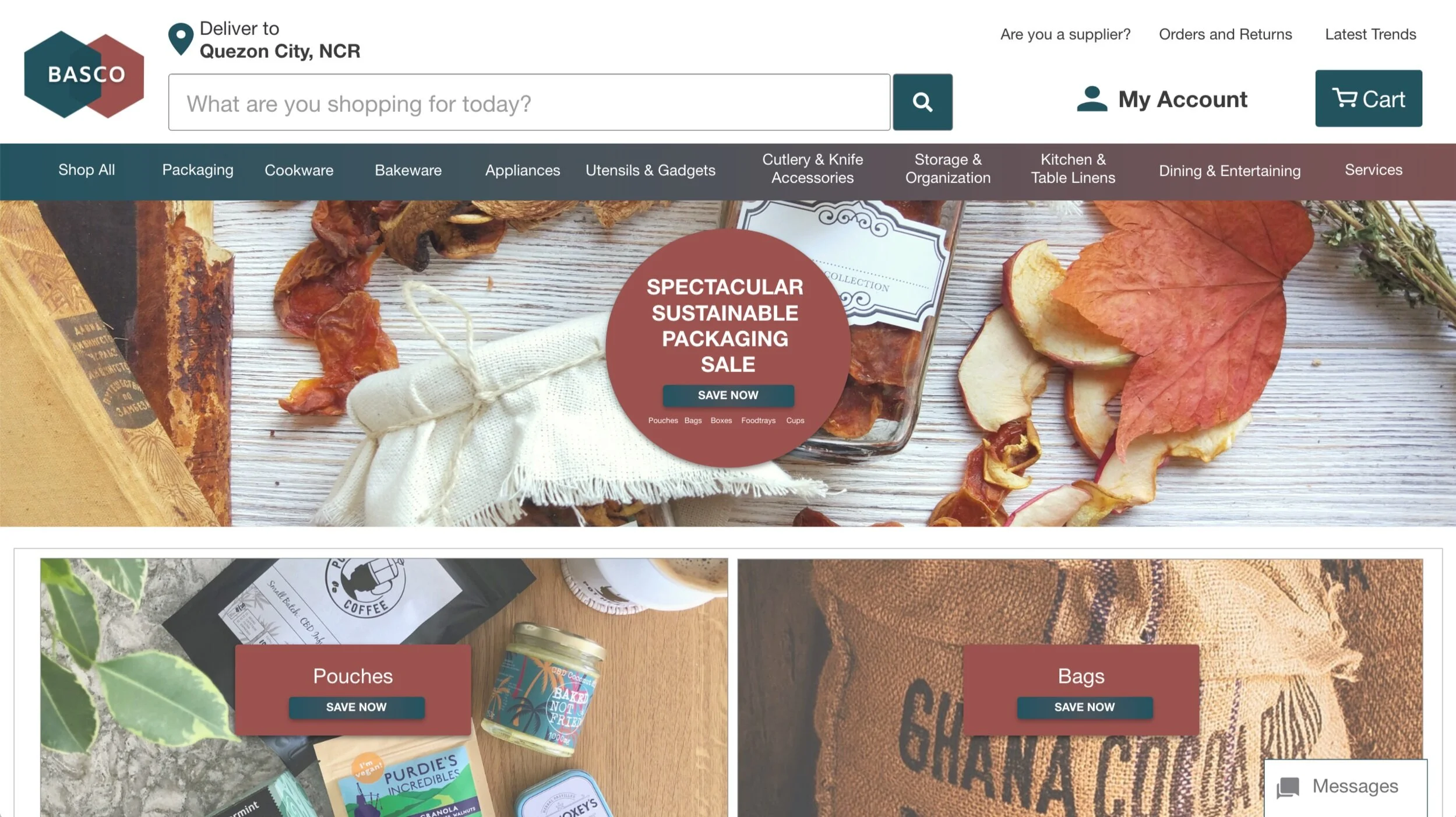
I came up with the high fidelity prototype after several revisions such as the finalization of the product’s name from “Buizz” to “Basco”, application of the advice for improvement given by my mentor and peers in UX Design on - colors, visual hierarchy, alignment and other minor interface designs.
Usability Testing
Findings
Users find the interactions on the website familiar and therefore easy to get the tasks done
Most users still use their laptop for their business but some especially those with very busy lifestyles prefer to conveniently access everything on their mobile phones, thus an app version makes more sense to them
They usually click on boxes and images (whenever available) over texts
Although they all have successfully registered, most of them clicked the Facebook/Gmail button first in the ‘Member’s Log In’ page instead of the ‘Register here’ link. They assumed that linking their social media accounts will automatically sign them up
Users showed enthusiasm in every step and enjoyed the simplistic interface
Method
I moderated a remote 1:1 user testing via Zoom and Facebook Messenger
Success Metric
I got the overall percentage of completed tasks by five users to know if they are able to easily adapt to this new platform and be able to perform the most basic tasks to achieve their goal which is to get their business needs easily and efficiently. The passing score was set at 85%.
Result
The average rate of the completed tasks is 98% which is way above our passing rate of 85%. It is safe to say that the current interface design of our website is familiar and easy enough for our users to use for their business’ needs. This is just one of the first steps in identifying the potential of this project to solve the problem of small food businesses to easily find their supplies.
Conclusion & Development
The BASCO website is made in the context of the IDF UX Bootcamp within 2 months. The process was lengthy especially because this project is created based on my original made-up brand where I challenged myself to learn how to build a business model with design thinking as the main foundation. Though challenging, I enjoyed learning each of the tool as needed in every step of the way.
The project being a success in the initial usability test, may unlock an even greater potential through conducting more intensive research on the users such as the small food business owners and the suppliers. A bigger team of design thinkers who could continuously develop BASCO will not only heighten the entrepreneurial spirit of small food businesses in the Philippines but may also foster local economies, growing and keeping necessary resources within the communities to support its people.